
Before the Moroccan bride puts on her caftan and takes her seat on the amariya, she has already completed a beauty journey spanning several days, built on natural ingredients and rituals passed from woman to woman across generations. These traditions are more than cosmetic preparation: they are a collective celebration, with the women of the family and her friends gathered around the bride.
The Bridal Hammam: A Festive Opening
A few days before the wedding, a special hammam visit is arranged for the bride — one that turns into a small celebration of songs and ululations. There she experiences the full ritual: pore-opening steam, black soap, deep kessa exfoliation, and a ghassoul mask blended with rose water. The goal: renewed, glowing skin ready for everything that follows.
The Henna Night: Adornment and Symbol
The henna night is one of the highlights of a Moroccan wedding. The bride sits among her guests while the « neqqacha » draws fine patterns on her hands and feet with natural henna. In tradition, henna goes beyond decoration: a symbol of blessing, joy and protection, it is also traditionally known for being gentle on the skin. Families insist on pure henna with no artificial additives.
Aker Fassi: The Ancestral Lip Colour
Among Morocco's most famous beauty secrets is « aker fassi »: a traditional natural tint made from dried pomegranate peel and poppy petals, often sold in small clay dishes. The bride moistens a fingertip or small brush, sweeps it over the tint, and gets a warm pink-to-red shade for lips and cheeks — a natural cosmetic that preceded modern beauty trends by centuries.
Softening Oils and Blends
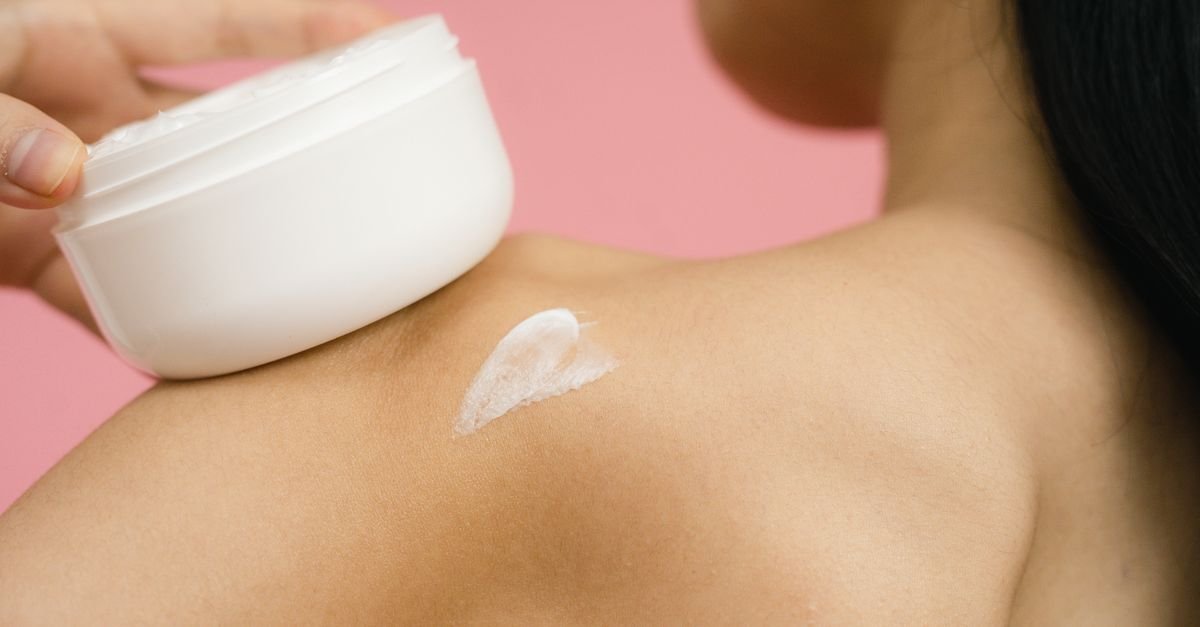
- Argan oil: to moisturise body and face and give the hair a healthy shine.
- Almond and honey blends: traditional masks known for softening and brightening the skin.
- Rose and orange blossom water: a fresh toner and the natural fragrance of every ritual.
- Siwak: the traditional care behind a radiant smile.
Scenting the Air: Incense and Oud
No Moroccan preparation is complete without perfuming the air and clothing with incense and oud: caftan fabrics absorb warm scents that linger in memory. Incense burners are even part of the bridal trousseau in many regions.
A Living Heritage Inspiring Today's Products
These rituals are no museum pieces — they inspire beauty brands worldwide today. Bridal hammam sets, rose-ghassoul blends, precious body oils and natural wedding gift boxes are all thriving product categories drawing their soul from this heritage.
The Neggafat: Guardians of the Tradition
Many of these rituals are guided by neggafat, experienced women who specialize in preparing brides and overseeing the traditional stages of a Moroccan wedding. Far more than dressers, neggafat often know the details of local customs by heart — which oils to use before which caftan, how to apply aker fassi so it lasts through hours of celebration, and how to pace the rituals across several days. Their role has been passed down much like the rituals themselves, often within the same families for generations.
A Beauty Timeline: The Days Before the Wedding
While details vary by region and family, the beauty preparations typically unfold over several days rather than all at once:
- Several days before: nourishing hair and body with argan oil, almond and honey masks to build up softness gradually.
- Two to three days before: the bridal hammam, for deep exfoliation and renewal.
- The night before or days before the ceremony: the henna night, once skin has settled from the hammam.
- On the wedding day: aker fassi, rose water and final touches, often applied and refreshed by the neggafat between changes of caftan.
Spacing the rituals this way lets the skin recover between each step rather than layering everything at once.
Thinking of launching a care collection inspired by Moroccan beauty traditions? Assil Ouargane manufactures natural products in Morocco to demanding standards — argan oil, ghassoul, rose water — and offers private-label services for Arab and European markets. Request a quote through our website.