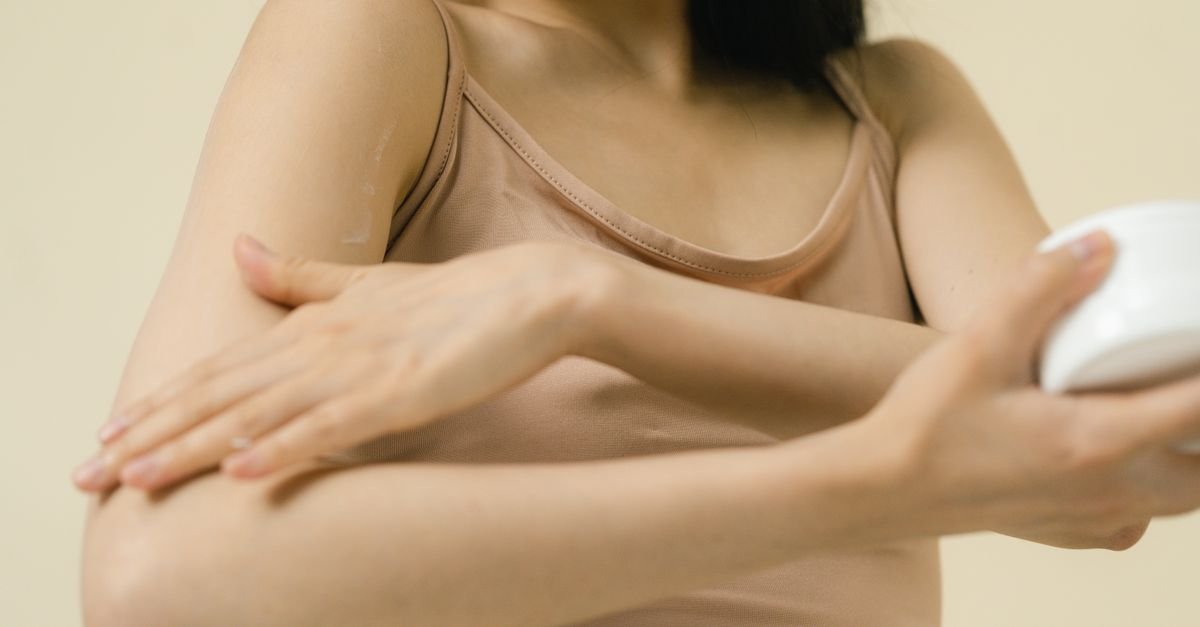
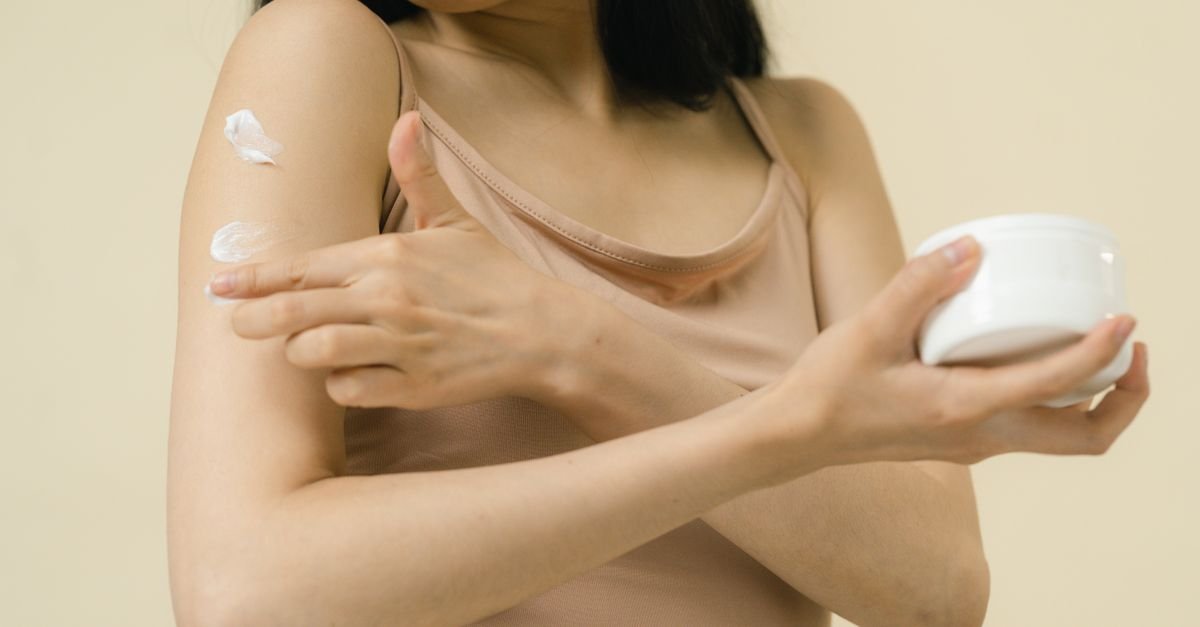
Every summer, the same message arrives: small, rough bumps scattered across the upper arms, sometimes the thighs, that will not smooth out no matter how much lotion goes on. Most people who have them have had them since their teenage years, and most have never been told what they actually are.
What keratosis pilaris is
Keratosis pilaris, often called chicken skin, happens when keratin, a protein the skin produces naturally, builds up around hair follicles and forms small, hard plugs. The result is a rough, sandpaper-like texture with tiny bumps, sometimes reddish, most common on the upper arms, thighs and cheeks. It is extremely common, tends to run in families, often connected to generally dry skin, and typically fades somewhat with age. It is not caused by poor hygiene and it is not contagious.
What a natural routine can realistically do
Nothing sold over the counter, natural or otherwise, removes keratosis pilaris permanently, and anyone promising that is overstating it. What a consistent routine can do is soften the texture, reduce the rough feel, and calm the redness some people notice around the bumps. The two jobs that matter are gentle exfoliation to clear surface buildup, and rich moisturizing to keep the skin from drying out and making the keratin plugs more noticeable.
A routine worth trying
- Exfoliate gently, two to three times a week: a soft washcloth or a mild chemical exfoliant with lactic or glycolic acid works better than a coarse scrub, which can irritate the bumps further.
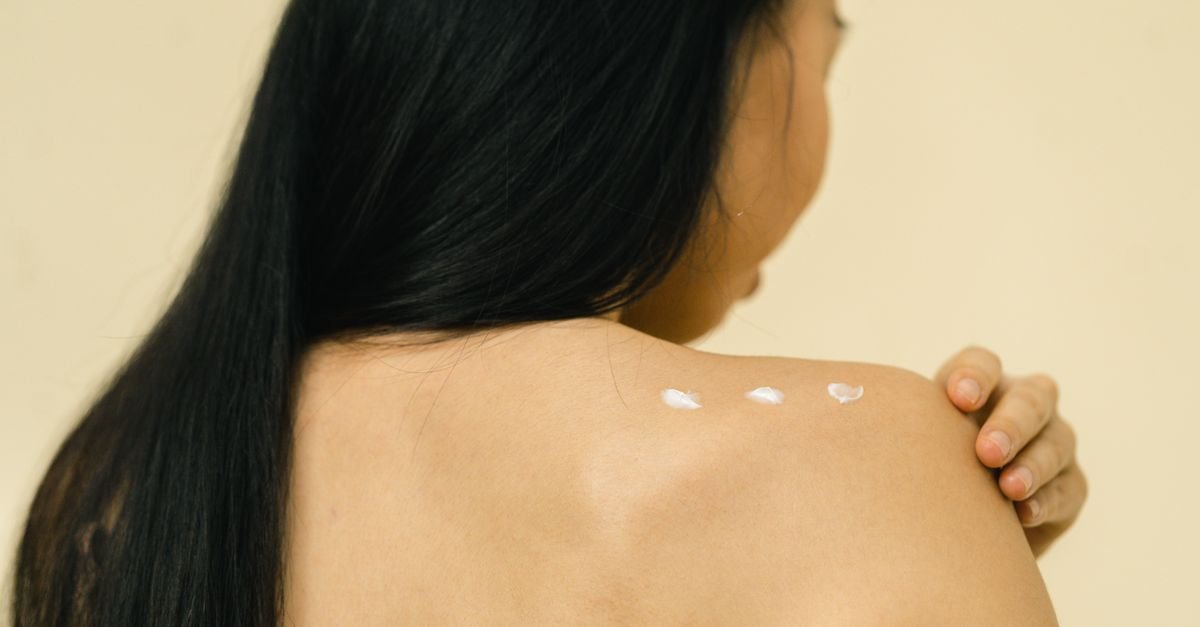
- Moisturize while skin is still damp: argan oil or prickly pear seed oil, applied right after a shower, absorbs into slightly wet skin and helps lock in moisture through the day.
- Keep showers short and lukewarm: hot water strips the skin's natural oils and tends to make the roughness worse, not better.
- Avoid picking or aggressive scrubbing: both can irritate the follicles and leave marks that last longer than the bumps themselves.
- Be patient and consistent: visible change, when it happens, usually takes several weeks of steady care, not days.
Why oil, and which one
Prickly pear seed oil is notably rich in vitamin E and essential fatty acids, which make it a good choice for the thicker, rougher texture typical of keratosis pilaris, especially on drier skin or in winter. Argan oil is lighter and a good everyday option for arms and thighs that need daily moisture without feeling heavy under clothing. Neither oil dissolves keratin plugs; both simply support a skin surface that is better able to manage them.
When to see a dermatologist
If the bumps are inflamed, painful, spreading rapidly, or affecting confidence enough to cause real distress, a dermatologist can offer options a home routine cannot, including prescription-strength exfoliants. Keratosis pilaris is harmless from a medical standpoint, but harmless and something you have to just live with are not the same thing, and a proper diagnosis rules out other conditions that can look similar.
Urea and lactic acid, and how oil complements them
Many over-the-counter body lotions marketed for rough skin rely on urea or lactic acid at low concentrations to soften the keratin buildup, and these can be a reasonable middle step between plain moisturizer and a full chemical exfoliant. Layering argan oil on top, once the lotion has absorbed, adds fatty acids that a humectant-only formula does not supply, and many people find the combination more comfortable on cold, dry skin than either product used alone. Test any urea or acid lotion on a small patch first, since concentrations vary widely between brands and higher percentages can sting on skin that is already slightly irritated from a scrub used the same week.
Keratosis pilaris rarely disappears, but a steady routine of gentle exfoliation and the right oil can make it far less noticeable and far less bothersome to live with. Assil Ouargane manufactures argan oil, prickly pear seed oil and other natural Moroccan ingredients for skincare brands building routines around exactly this kind of everyday skin concern, and we take quote requests for private-label production through our website.