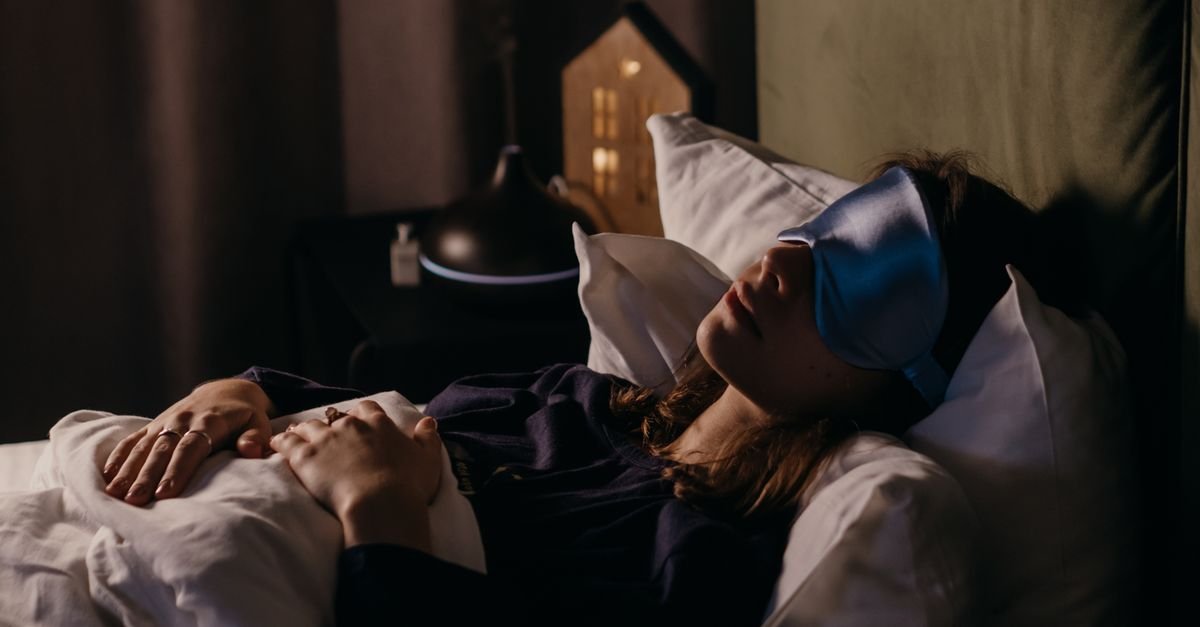
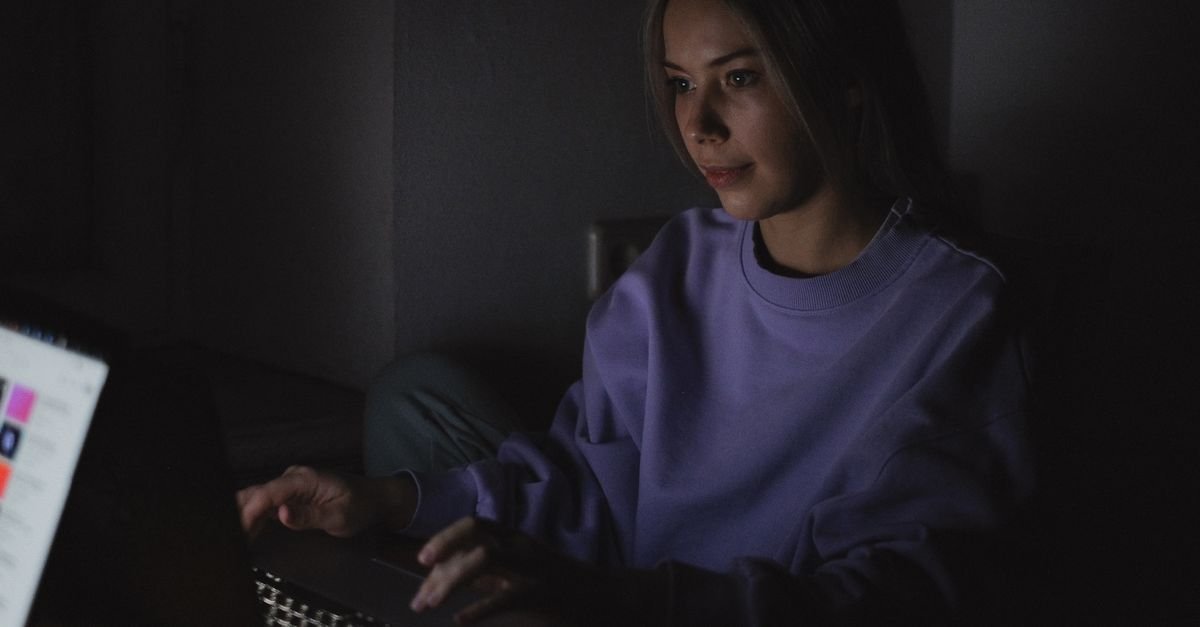
It is eleven at night, the room is dark except for the glow of a phone six inches from your face, and you have been scrolling for forty minutes. Your skin has been sitting in that blue light the whole time, on top of the day's screen hours before it. Does any of that actually reach the skin the way sunlight does, or is blue light damage mostly marketing dressed up as science?
What blue light actually is
Blue light sits at the visible end of the light spectrum, between ultraviolet and green light. Phones, laptops, LED bulbs and television screens all emit it, though outdoor daylight remains by far the largest source most people are exposed to. A full day outside delivers far more blue light than hours of screen use. This matters because it puts screen exposure in perspective: it is real, but it is a small fraction of what your skin already handles from the sun. Indoor LED lighting and overhead office fixtures add a smaller amount on top of that, but nowhere near enough to change the overall picture for most people's daily exposure.
What the research actually shows
Studies on visible light and skin are still limited compared to the decades of research on UV damage. Some laboratory work suggests high-intensity, prolonged blue light exposure may contribute to oxidative stress and, in some skin tones, temporary pigmentation changes. But these studies mostly use light intensities far higher than a phone screen produces, held far closer and for far longer than normal use. There is no solid evidence that ordinary daily screen time causes wrinkles, sagging or lasting damage on its own. Anyone claiming a certain serum blocks blue light damage as a proven medical fact is overstating what the science currently supports. For context, dermatology guidance on daily sun protection remains far better supported by evidence than any specific claim made about screen exposure alone.
What screens are actually doing to your skin
The visible effect most people notice after long screen sessions, dullness, tightness, a slightly tired look, usually has little to do with blue light itself. It is more often the posture, the late hours, the dry indoor air near a laptop fan, and the sleep lost scrolling instead of resting. Skin recovers overnight; cutting that recovery time short shows up on the face faster than any wavelength does. Posture plays a quiet role too: hours spent hunched toward a screen change how the neck and jaw carry tension, which can show up as tightness long after the laptop closes.
A sensible evening routine
Rather than chasing blue-light-specific products, focus on what genuinely supports skin exposed to long indoor hours: hydration, antioxidants and a proper wind-down.
- Rinse and hydrate: a gentle cleanse followed by a humectant-rich layer keeps skin from drying out under air conditioning or heating.
- Antioxidant support: oils naturally rich in vitamin E and polyphenols, such as argan oil, help skin cope with everyday environmental stress, screens included.
- Set a screen curfew: stepping away from devices thirty to sixty minutes before bed does more for next-morning skin than any topical claim.
- Protect during the day: daytime sun exposure still matters far more than indoor screen time, so daily sun protection remains the priority.
When to see a specialist
If you notice new or spreading pigmentation, persistent redness, or skin changes that worry you, these deserve a dermatologist's assessment rather than a new serum. Screen habits are worth adjusting for comfort and sleep, but they are not a substitute for proper diagnosis when something on your skin genuinely changes. A specialist can also confirm when a change has nothing to do with screens at all, which is common, since skin responds to dozens of everyday factors at once.
Screens are part of daily life now, and treating them with mild caution rather than alarm is the realistic approach: keep skin hydrated, give it real antioxidant support, and protect your evenings as much as your skin. Assil Ouargane presses and blends natural Moroccan oils and skincare for brands that want to offer honest, well-made routines; reach out through the website if you are developing a range under your own label.