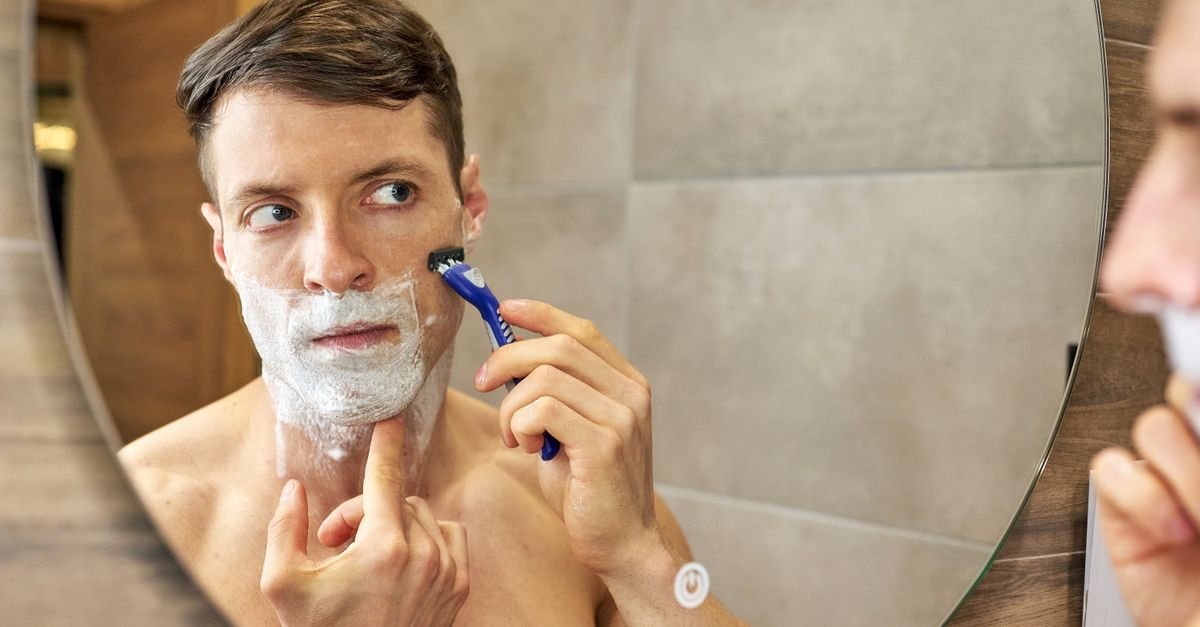
The blade glides down the jaw clean enough, but by midday the neck is a map of red dots and one patch that stings every time a collar brushes it. Most men blame the razor. Most of the time, the real cause is what happens before and after the blade, not the blade itself.
Why shaving irritates skin in the first place
A razor does not just cut hair, it also removes a thin layer of dead skin cells and disturbs the skin barrier with every pass. Shaving against dry, unprepared skin multiplies the friction, and a blade dragged over the same area more than twice removes more than it needs to. The result is micro-irritation that shows up as redness, tightness or small bumps, even with a sharp, clean blade. Using the same blade for weeks past its useful life adds even more drag, forcing the skin to absorb friction the blade itself should be handling.
Preparation matters as much as the shave itself
Skin that is warm, clean and slightly softened cuts more easily and with less resistance. A few minutes under warm water, or a warm towel held against the face, softens the hair and opens the way for a smoother pass. Shaving straight out of a cold shower, or on completely dry skin, is one of the most common and easily fixed causes of daily irritation. A light, unscented pre-shave oil brushed on before the cream adds a further layer of glide, particularly across the jawline, where blades tend to catch the most.
Razor bumps and razor burn are two different problems
Razor burn is surface irritation: redness and a stinging sensation right after shaving, usually calming down within hours. Razor bumps, also called ingrown hairs, are different: a cut hair curls back into the skin as it regrows, causing a small, sometimes tender bump days later, most common in men with coarser or curlier hair. Treating both the same way rarely works. Burn needs calming and less friction; bumps need looser shaving direction and, sometimes, fewer overlapping passes over the same patch of skin. Confusing the two often leads to over-treating burn with harsh exfoliants meant for bumps, which only adds irritation to skin that mainly needed rest.
What actually calms skin afterward
Alcohol-based aftershaves sting for a reason: alcohol dries the skin further right when it needs the opposite. Skin that has just lost part of its protective layer benefits far more from something that replaces moisture and supports the barrier than from anything that tightens or stings on contact.
- Rinse with cool water: closes pores gently and calms surface heat right after shaving.
- Pat, do not rub, dry: friction from a towel right after shaving reopens the same irritation the razor just caused.
- Apply a natural oil while skin is still slightly damp: argan oil, light and fast-absorbing, helps replace lost moisture and supports the skin barrier without the sting of alcohol-based products.
- Shave with the grain when skin is reactive: shaving against the grain gives a closer shave but pulls harder on each hair, which is often the difference between smooth skin and a bumpy jaw by evening.
When it needs more than a routine change
Occasional bumps and mild redness respond well to gentler technique and consistent aftercare. Ingrown hairs that keep becoming infected, spread beyond the usual shave area, or leave dark marks that do not fade are worth a dermatologist's opinion, particularly for skin that reacts this way to almost every shave. A proper diagnosis rules out other causes and can point to options a home routine cannot offer. This applies especially to ingrown hairs that leave persistent dark marks along the jaw and neck, since earlier treatment tends to work better than waiting.
Good post-shave skin is less about the razor and more about the ten minutes before and after it. Treat the skin gently on both sides of the blade, and most daily irritation settles on its own. Assil Ouargane produces natural Moroccan oils and grooming products for brands building their own men's care lines under private label; reach out through the website to discuss a formulation.