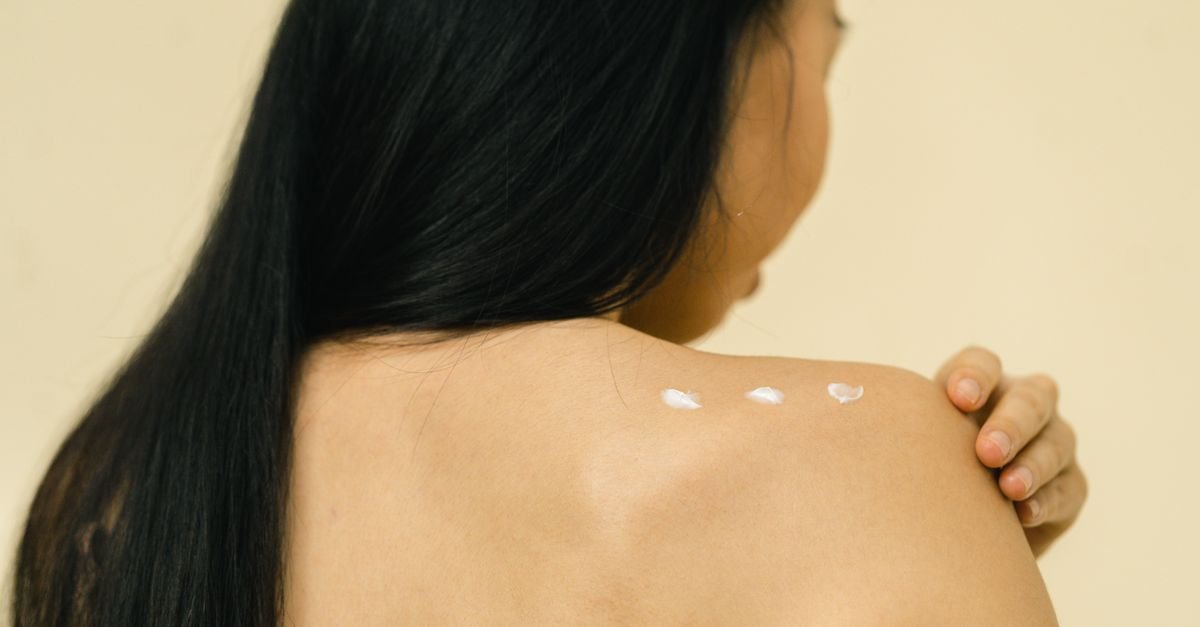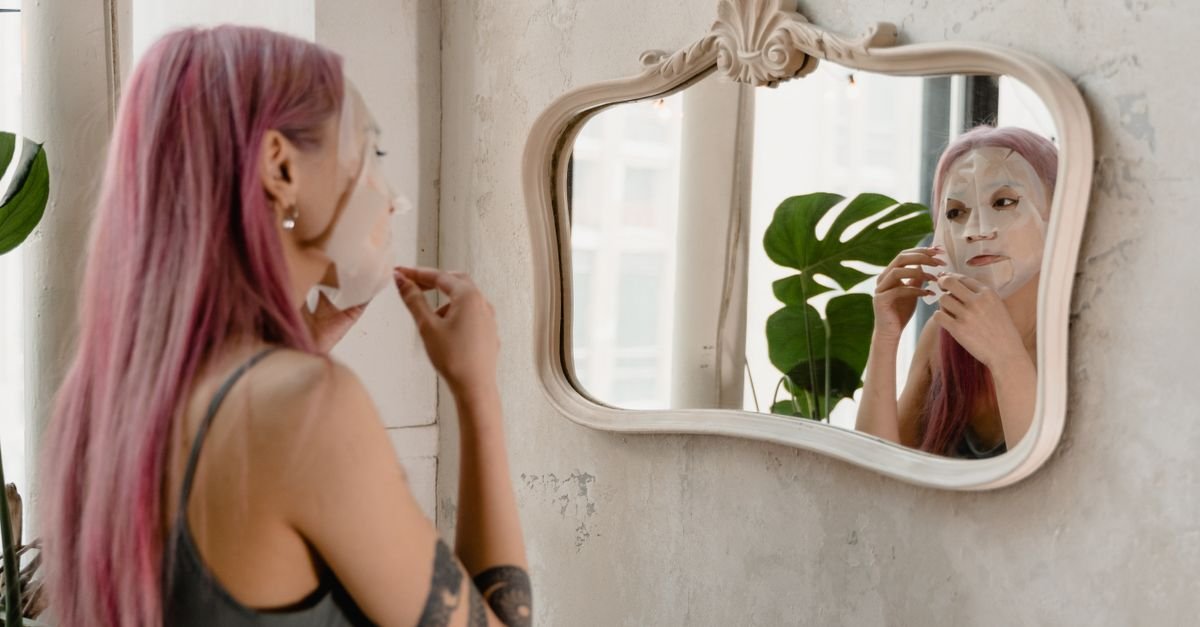

Two mornings, same week: after one night you wake up looking rested, skin even and eyes clear; after the other you wake up puffy, dull and slightly grey, and nothing in your skincare bag has changed. The only real variable was sleep. It sounds too simple to matter this much, but the hours you spend unconscious are some of the busiest hours your skin has.
What skin does while you sleep
During deep sleep, blood flow to the skin increases and the body shifts from daytime defense mode into repair mode. Cell turnover speeds up, and the skin barrier works to restore moisture lost during the day. This is also when the skin does most of its quiet maintenance work, rebuilding what sun, pollution and simple daily wear have used up. None of this needs a special product to happen; it happens on its own, given enough uninterrupted time.
What a short night actually leaves on your face
Cut that process short by even ninety minutes a night and the signs are visible within a day or two: duller color, because blood flow and cell turnover slow down; puffiness around the eyes, from fluid that had less time to redistribute; and a slightly sallow tone that no amount of concealer fully hides. Chronic poor sleep is also linked, in research, with a weaker skin barrier and slower recovery from irritation, which is one reason skin that is already sensitive tends to react more on tired weeks. None of this means one late night causes lasting damage; it means the effects are real but reversible once sleep catches up.
Pillow, position and friction
How you sleep matters almost as much as how long. Sleeping face-down or pressed into a pillow for hours creates repeated folding and friction in the same spots, which over years can contribute to fine lines settling along habitual creases. A pillowcase that grips the skin, like rough cotton, adds more friction than a smoother weave. None of this is dramatic on its own, but small, repeated pressure over thousands of nights adds up the same way sun exposure does.
A night routine that works with your skin, not against it
The most useful night routine is not the most elaborate one. It is the one that removes the day's buildup and gives the skin barrier what it needs to do its own repair work.
- Cleanse properly, once: remove sunscreen, sweat and pollution before bed so the skin is not repairing over a layer of residue.
- Layer a nourishing oil: a natural oil such as argan oil applied at night helps reinforce the skin barrier while it works to hold in moisture through the night.
- Keep the room cool: a slightly cool, humid room supports better sleep quality and reduces the dryness that heated air causes overnight.
- Protect your sleep hours, not just your skin: consistent sleep timing does more for skin over months than any single product change.
What sleep cannot fix, and what it can
Good sleep will not undo sun damage, will not erase established fine lines, and is not a treatment for a diagnosed skin condition. What it reliably does is give skin the conditions it needs to do its own ordinary maintenance well, night after night, which shows up as a steadier, more even complexion over time. If tiredness-related skin changes persist despite consistent, adequate sleep, or if you notice unusual swelling, discoloration or a skin condition that will not settle, a dermatologist can tell you what is actually going on.
Sleep is not a skincare product, but it behaves like one of the most effective ones you have, and it costs nothing beyond the discipline of protecting it. Assil Ouargane makes natural Moroccan oils and skincare formulated for real night routines, produced for brands under private label; get in touch through the website if you are building a range that deserves that kind of honesty.