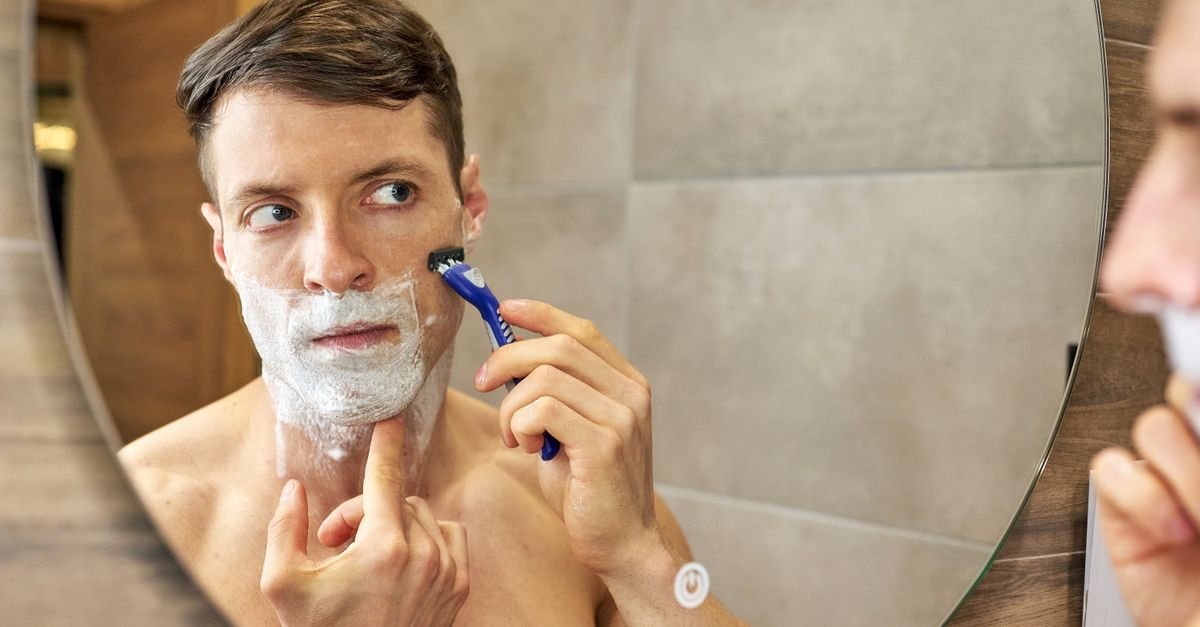

The flush arrives before the words do, sometimes over a glass of wine, sometimes over nothing more than a hot cup of tea, and by the time it fades the skin still feels tight and slightly raw. For skin that flushes and reddens easily, ordinary skincare advice does not always apply, and a lot of what gets marketed at it makes things worse rather than better.
What rosacea-prone skin actually means
Persistent facial redness, visible small blood vessels, flushing that comes on fast and takes a while to fade, and skin that stings at products most people tolerate without issue, are common signs associated with rosacea. It is a diagnosed medical condition with several recognized patterns, and it is not something to self-diagnose from a symptom list online. Genuine rosacea benefits from a dermatologist's assessment, because effective management often depends on identifying which pattern is present and ruling out other causes of facial redness first. None of this is about assigning blame for a flare; it is about giving a stubborn symptom the accurate name it needs before choosing how to manage it.
Patterns many people notice
While triggers vary from person to person, a number of factors are commonly reported alongside flare-ups: heat, direct sun, spicy food, alcohol, hot showers, strong wind and sudden temperature changes. Keeping a simple note of what preceded a flush, over a few weeks, tends to reveal a personal pattern more reliably than any general list, since what triggers one person's skin may not affect another's at all. Weather changes in particular catch people off guard, since a shift from indoor heating to cold outdoor air can trigger a flush as reliably as any food or drink.
A gentler approach to daily skincare
Skin prone to redness generally does better with fewer products used consistently than with a rotating collection of active ingredients. Fragrance, high concentrations of exfoliating acids, and hot water on the face are common irritants worth minimizing. Introducing one new product at a time, and giving it several weeks before judging it, makes it far easier to know what actually helped and what did not.
- Cleanse with lukewarm water: hot water increases flushing; a gentle, low-foam cleanser used with lukewarm water is generally better tolerated.
- Patch test everything new: apply a small amount behind the ear or on the inner arm for a few days before using it on the face.
- Keep the routine short: a cleanser, a light moisturizer and daily sun protection cover most of what reactive skin needs.
- Note your triggers: a short log of meals, weather and products helps identify what precedes a flare, so it can be avoided or managed in advance.
Where natural oils fit, and where they do not
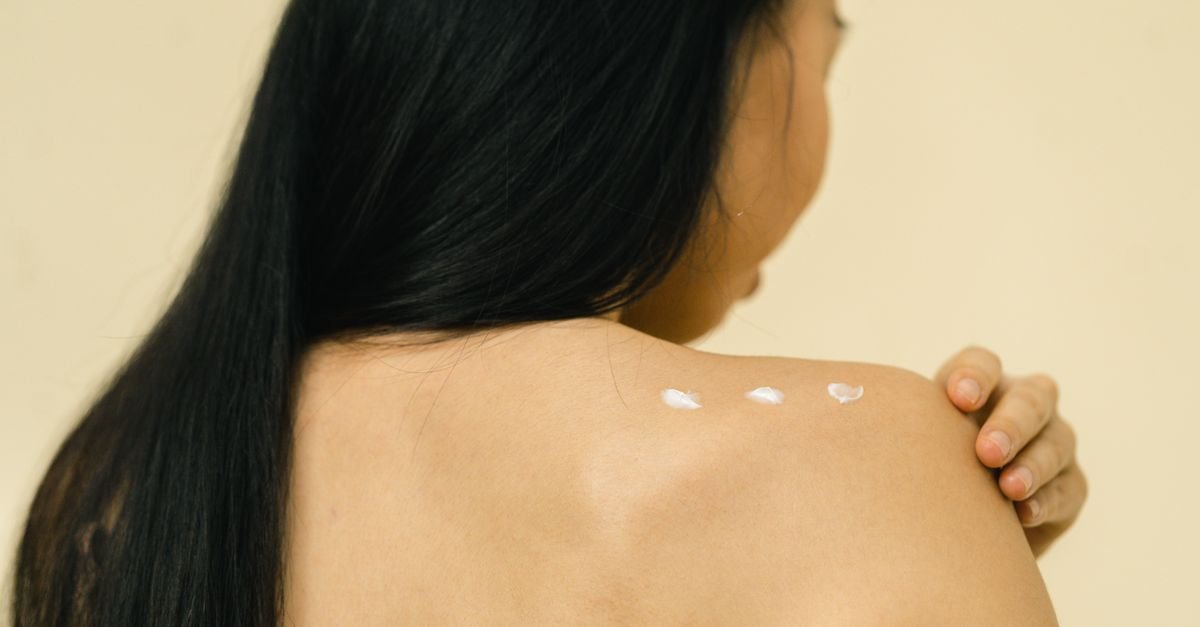
Some people with reactive, redness-prone skin find that a light, minimally processed oil feels more comfortable than fragranced creams or products with a long ingredient list, since it can help support the skin barrier without added irritants. Argan oil, used sparingly, is generally well tolerated because of its light texture and low comedogenic profile. That said, no oil, natural or otherwise, treats rosacea itself; it can support comfort and hydration as part of a gentle routine, but it does not replace an actual diagnosis or a dermatologist's care plan for the underlying condition.
When to see a dermatologist
Persistent redness that does not fade, visible blood vessels, bumps that resemble acne but do not respond to typical acne care, or eye irritation alongside facial redness are all reasons to see a dermatologist rather than continue adjusting products alone. Rosacea has several recognized subtypes and effective management is often specific to which one is present, sometimes including prescription options a home routine cannot offer. A proper diagnosis also rules out other conditions that can look similar but need a different approach entirely.
Redness-prone skin rewards patience and a short, consistent routine far more than it rewards a new product every month. Keep things simple, know your triggers, and let a dermatologist guide the medical side of it. Assil Ouargane formulates gentle, natural Moroccan oils and skincare for brands building considered routines under their own label; reach out through the website to discuss a formulation suited to sensitive skin.