
Step into any traditional Moroccan hammam and you will find it: a dark, glossy paste with the scent of olives, passed down through generations as beldi soap. Behind this humble-looking product lie an age-old craft and a clever natural formula that has made it a star on beauty shelves worldwide under the name Moroccan black soap.
What Is Beldi Soap?
Beldi soap is a soft soap paste, dark brown to greenish-black in color, with a texture closer to a thick balm than a solid bar. Its base comes down to two natural elements: olives and their oil on one side, and an alkaline agent on the other. No synthetic fragrance, no colorants in the original recipe.
The Traditional Making Process
Beldi soap is born from saponification — the natural reaction between oils and alkali:
- Choosing the oil base: olive oil, often combined with crushed black olives or oil-rich pressing residues — this is what gives the soap its signature dark color.
- Adding the alkali: potash is blended into the oil base in carefully measured proportions.
- Slow cooking: the mixture simmers over gentle heat with constant stirring for hours, gradually becoming a smooth, glossy paste.
- Curing: the paste rests until saponification completes, making it gentle on skin and stable in composition.
In modern facilities these steps follow precise temperature and dosing parameters, with quality checks ensuring safety and stability — while staying true to the spirit of the original recipe.
Why Skin Loves It: The Secret of the Moroccan Scrub
Beldi is not a quick-lather soap; it is the opening act of a complete exfoliation ritual:
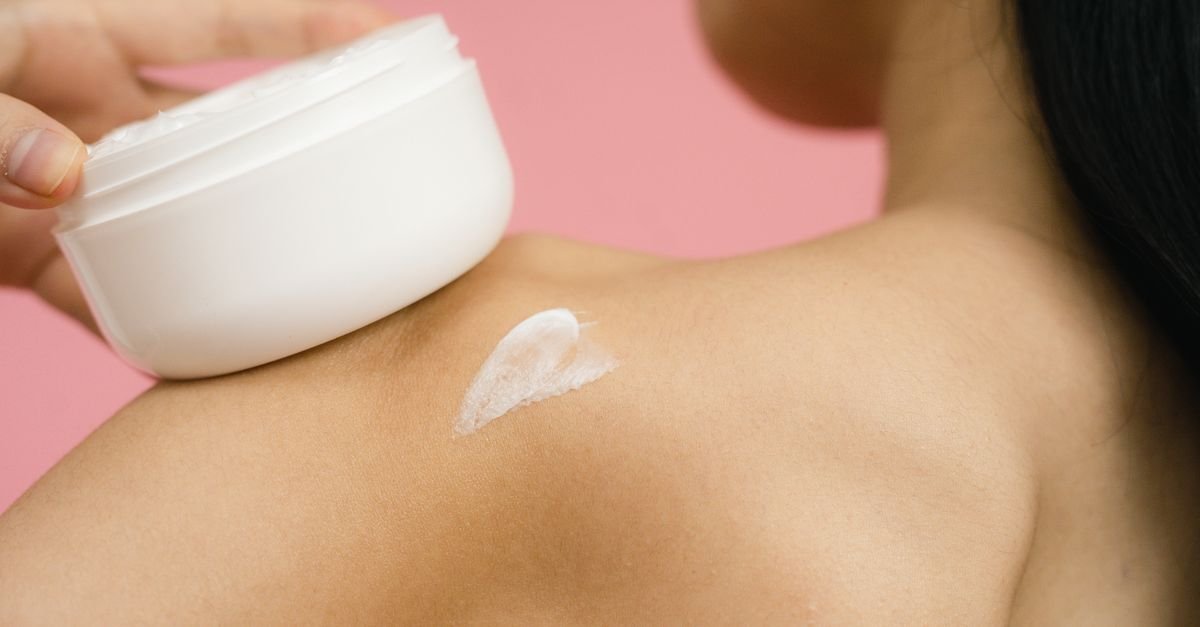
- Applied to warm, damp skin — as in the steam-filled hammam — and left on for a few minutes.
- It softens the skin's surface layer and loosens dead cells.
- Then comes the kessa glove, whose scrubbing visibly rolls away dead skin.
The traditionally celebrated result: smoother, clearer skin, primed to absorb moisturizers such as argan oil. Sensitive skin types should always patch-test first.
From the Hammam to Your Home Bathroom
You do not need a full steam bath to enjoy beldi soap. A hot shower opens the pores; apply the soap, wait a few minutes, then scrub with the kessa glove. Once or twice a week is usually enough, followed by good moisturizing.
A Perfect Product for Brands
With the global appetite for natural bathing rituals, beldi soap — especially in versions with eucalyptus, rose, or argan oil — has become a bestseller in spa and premium personal-care markets.
What to Look for in a Quality Beldi Soap
Not all beldi soap on the market is made the same way. A genuine paste should feel soft and slightly oily to the touch, never dry or crumbly, and its scent should read as olive-forward rather than heavily perfumed if no fragrance was added. Color can range from deep brown to greenish-black depending on the olive source, but an unnaturally uniform or artificial-looking tone is worth a second look. Packaging in a sealed jar rather than an open container also helps the paste stay fresh and hygienic on the shelf.
Regional Touches on a Shared Tradition
While the olive-and-alkali base stays constant, households and artisans across Morocco have long added their own touches: a few drops of eucalyptus for a cooling sensation, dried rose petals for scent, or a swirl of argan oil for extra softness. These variations show how a simple traditional formula can flex to different preferences while keeping its core identity intact — the same flexibility that lets modern brands create their own signature version.
Assil Ouargane manufactures authentic beldi soap in a range of formulas and natural scents, with full private-label service from formulation to finished packaging. Contact us through our website to request a quote.