
Behind every drop of argan oil that reaches world markets are the expert hands of women in southern Moroccan villages, cracking argan nuts just as their grandmothers did. What changed in recent decades is that this traditional work stepped out of the home and into cooperatives — transforming an invisible domestic chore into a recognized profession that generates income and builds futures.
What Is a Cooperative, and Why Did It Work?
A cooperative is an economic entity owned by its members, run democratically, with returns shared fairly. Rural women found in this model what no other form of work offered:
- Work close to home, compatible with their social circumstances.
- Collective ownership that shields them from exploitative middlemen.
- Group bargaining power in sales and marketing.
- A structured legal framework, supported in Morocco by an official system for the social and solidarity economy.
Argan: The First Spark
The argan oil cooperatives of the Souss region were the pioneering model that proved change was possible. As global demand for this precious oil surged from the 1990s onward, women's cooperatives gathered hundreds of women who had been cracking nuts at home for meager pay or none at all. Over time, some of these cooperatives acquired equipped production units, their own brands, and international customers.
What Changed in Women's Lives
Income and Financial Independence
Members now earn regular income from their work, along with the ability to contribute to family expenses and make independent financial decisions — a profound shift in rural communities where women rarely had resources of their own.
Education and Literacy
Many cooperatives added literacy and training programs to their activities. Members learned to read, write, count, and manage, and educating daughters became a priority for these working mothers.
Social Standing
When a woman becomes a producer, a contributor to family income, and a member of a named organization, the way others see her changes — and so does the way she sees herself. Many who started as simple workers now lead cooperatives, manage operations, and speak for their villages.
From Argan to Other Sectors
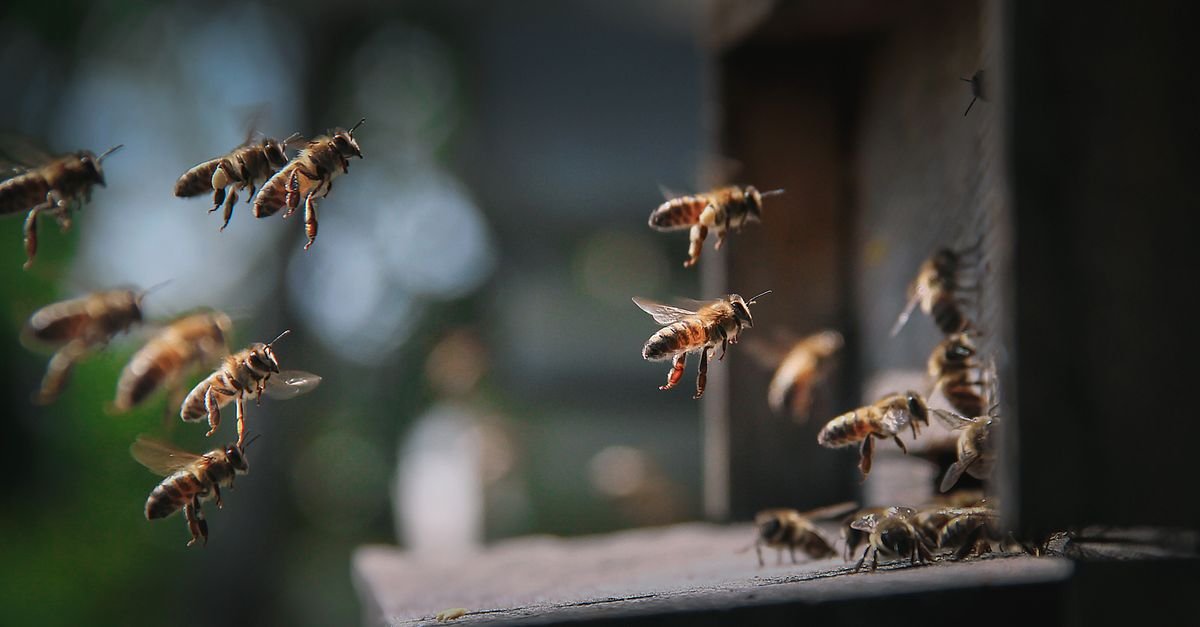
The model spread across many local products: honey cooperatives, aromatic and medicinal herbs, couscous and traditional foods, perfume roses, weaving and carpets. In every sector the same story repeats: an authentic local product, organized collective work, and social impact beyond economics.
How Consumers and Companies Can Support This Journey
When you choose products sourced from cooperatives or fair supply chains, you contribute directly to sustaining this impact. Companies and brands do the same when they build long-term partnerships with local producers on fair terms and fair prices.
Assil Ouargane is proud to work with cooperatives and local producers across Morocco within fair, transparent supply chains, offering brands authentic natural products through private-label manufacturing. Request a quote via our website and become part of a genuine success story.