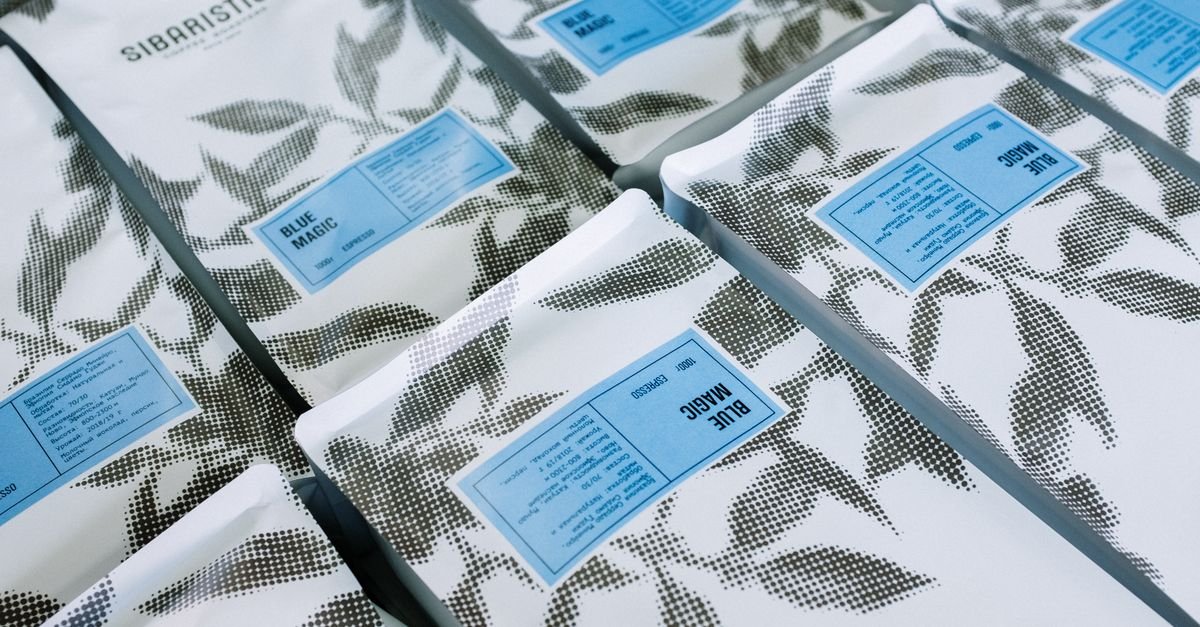

A founder once sent us a beautiful label mockup two weeks before a trade show, then asked a lawyer to check the name, and heard back that a nearly identical mark was already registered in the exact category she needed. The redesign cost her the show. Protecting a brand name is not a formality to handle after the packaging is printed; it is one of the first decisions a beauty brand makes, right alongside the formula itself.
Why the name needs protection before the design does
A trademark is not the same as a company name or a domain name. Registering a company at the commercial registry, or buying a domain name, gives you neither exclusive rights to use that name on products nor the ability to stop a competitor from launching something confusingly similar next door. Only a registered trademark, in the right class, in the right territory, does that. For a private label or founder brand, the name and logo are often the most valuable asset on the balance sheet once the business has traction, more durable than any single formula, because formulas can be reformulated but a recognized name compounds in value every year it is used.
Understanding trademark classes
Trademark offices classify goods and services under the international Nice Classification, and a registration only protects the classes it is filed under. A beauty brand typically needs to think about several:
- Class 3: cosmetics, skincare, haircare, soaps, essential oils for cosmetic use, the core class for most argan oil, cream and hair-care products.
- Class 5: covers products that make therapeutic or medicated claims; most natural cosmetics brands should stay in Class 3 and avoid language that pushes a product into this category.
- Class 35: retail, wholesale and online sale services, relevant if the brand also wants to protect its shop name or marketplace presence.
- Class 44: beauty, spa and hygiene services, relevant for brands that also offer treatments, not just products.
Filing only in Class 3 when the business model also depends on a branded retail experience, or vice versa, is one of the most common gaps founders discover too late.
Where to register: home market first, export markets on a schedule
In Morocco, trademark applications are filed with OMPIC, the national industrial and commercial property office. A Moroccan registration protects the name domestically but not automatically abroad. Brands planning to export need a separate strategy for each target market: a direct national filing, a regional filing such as the EUIPO for the European Union, or an international filing under the Madrid Protocol, which lets a single application extend protection to multiple member countries through one filing system. The right route depends on how many markets are targeted and how soon shipments are expected to start; registering in a country only after a distributor is already selling there is a common and avoidable mistake.
The search that has to happen before printing
Before any packaging goes to print, a proper clearance search checks existing registered and pending marks, not just an internet or social-media name check. Names that are descriptive of the product, built directly from words like argan, pure or Morocco, are also inherently harder to protect than distinctive, invented or evocative names, because trademark law limits exclusive rights over generic or descriptive terms. A name that sounds appealing on a mockup can still be legally weak.
Timeline and what to expect
Registration is rarely instant. Applications typically move through formal examination, publication for opposition, and then registration over a period of several months to more than a year, depending on the office and whether anyone objects. Once granted, a trademark is generally valid for ten years and renewable indefinitely, which is what makes the upfront diligence worth the wait: a properly cleared and registered name becomes a durable asset that a poorly cleared one never does.
Working with an attorney, not around one
This overview describes how the system generally works, not legal advice for a specific brand. Class selection, search strategy and the choice between national, regional and Madrid Protocol filings all depend on details, target markets, existing similar marks, growth timeline, that a trademark attorney or registered agent needs to evaluate case by case. Bringing one in before the packaging is finalized, not after, is the difference between a name that grows with the brand and one that has to be replaced.
Assil Ouargane manufactures natural Moroccan cosmetics and food products under private label for founders and retailers who are building exactly this kind of brand, and a quote request through the website is the simplest way to start the conversation.