The label batch arrives at the factory, the filling line starts up, and two hours in, the quality manager calls the client to say the printed net weight does not match the actual bottle volume. Ten thousand cartons, perfectly usable, entirely unsellable. This scenario happens more often than new brand founders expect, and the cause is almost always the same: rushing label approval instead of letting it run through every stage.
Design starts with a technical dieline, not a pretty picture
Before any design work begins, the manufacturer sends a technical file showing the exact dimensions of the packaging, any curved area, safety margins around the edges, and the position of the cap or pump if it crosses the label surface. A design built without this technical file, however good it looks on screen, often does not match the real container once printed.
Mandatory text is not a detail you can push to later
Every label needs to show the ingredient list under the international standard naming system, the net weight, the batch code, the manufacturer's name and address, and any relevant usage warnings. These elements are not part of the brand's visual identity, but a missing or incorrect one stops the entire shipment at customs or at a market inspection, regardless of how good the design looks.
The gap between a screen preview and actual print
The color shown on a computer screen is not the color that comes off a printing press, because screens render color through a system entirely different from printed ink. This is why approving a digital file alone is not enough: a real printed proof, or a match against a standard color reference guide, needs to happen before authorizing the full print run. Approving a design based only on a screen image is the single most common cause of unpleasant color surprises after printing.
A realistic number of rounds, and approving a physical sample
Most new projects need two to three correction rounds before final approval, each round taking three to five business days. The last round should always include a physical sample, the label actually applied to the final packaging, not only a digital file, because some errors, like a label wrapping awkwardly around an unexpected curve, only show up on the real container.
Who should review the label before it gets signed off
It is not enough for the designer alone to review the final file. A label needs review from someone who understands the mandatory regulatory text for the target market, someone who knows the packaging's technical specifications, and the person responsible for the brand's identity. Approval that runs through a single person leaves gaps everyone else discovers too late.
One locked master file, and a normal print tolerance to expect
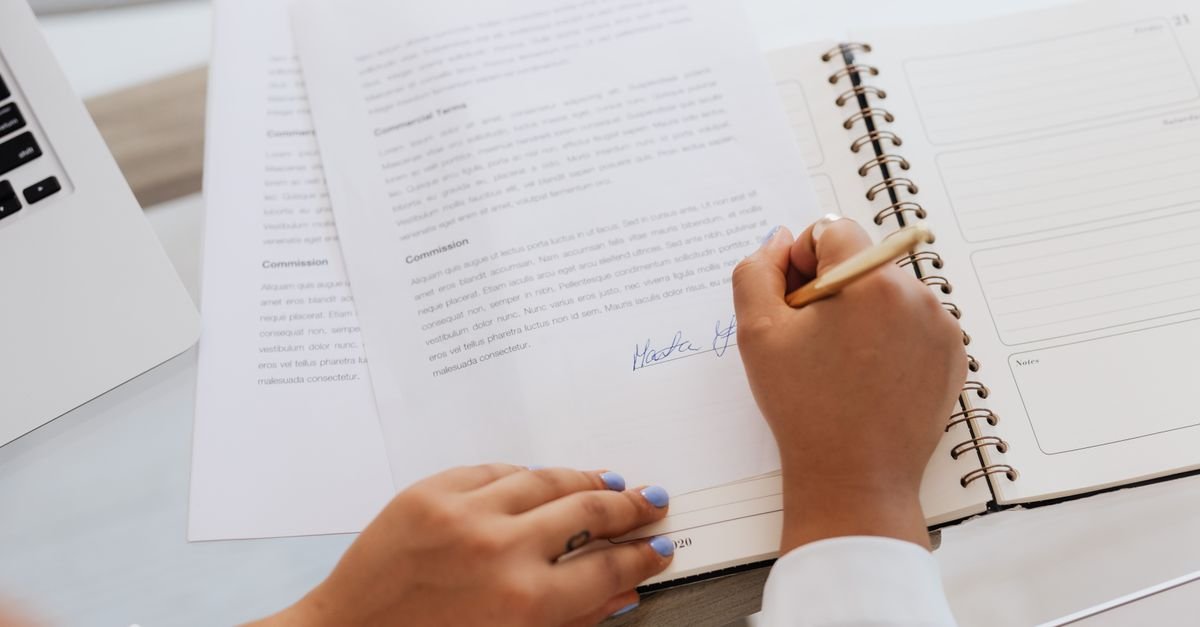
Even after final sign-off, commercial printing carries a normal, small tolerance for color drift and label positioning on the container, something the manufacturer should disclose upfront rather than debate once the shipment has landed. The real risk in practice rarely comes from the printer at all, it comes from confusion over which file version was actually approved, when the brand's own team keeps tweaking the design after sign-off. The fix is simple: keep one locked master file, carrying a clear version number and date, referenced explicitly in the final written approval, so the only file that ever reaches the printer is the one everyone actually agreed on.
- Technical dieline: exact dimensions, safety margins, and the position of packaging openings.
- Mandatory text: ingredient list, net weight, batch code, and manufacturer details.
- Color match: a real printed proof or a standard color reference, not just a screen preview.
- Final physical sample: the label actually applied to the real container before the full print run.
- Cross-review: technical and regulatory checks alongside the aesthetic approval.
Every extra correction round feels annoying in the moment, but it costs far less than ten thousand cartons that need reprinting or scrapping. Assil Ouargane manufactures natural Moroccan cosmetics and food products under private label, and walks each client through the full artwork and label approval process before authorizing print, a path that starts with a quote request through the website.