Almost every new brand asks the same question first: how many weeks until the product arrives? The honest answer is not one number but a sum of sequential stages, some of which can be compressed and some of which cannot, no matter how much you are willing to pay. Understanding those stages turns planning from a guess into a schedule you can actually build a launch around.
Formulation: from an existing base to a fully custom recipe
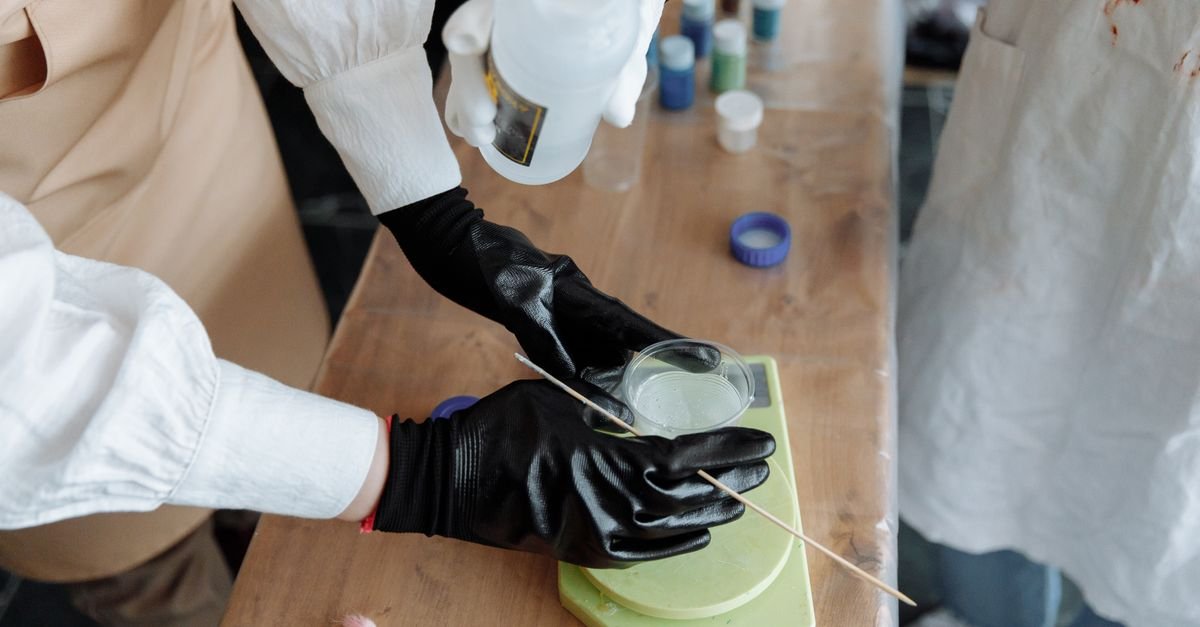
Starting from a base the manufacturer already runs and adjusting the fragrance or one active's concentration usually takes two to four weeks. A fully custom formula, built from a blank page through several rounds of samples, more often takes six to ten weeks before the final version settles. Each additional revision round adds one to two weeks on top.
Raw material sourcing runs on its own clock
Some natural materials, argan oil among them, are tied to a specific harvest season and a traditional processing method that cannot be rushed, which means securing enough stock has to be planned ahead rather than ordered on demand. A common ingredient already held by a regular supplier usually arrives in one to three weeks, while a rare or imported component can add a full month to the schedule.
Packaging is often the longest link in the chain
Standard packaging already stocked by the supplier is typically available in four to eight weeks. Custom packaging that requires a new mold or exclusive printing on a carton can take ten to sixteen weeks, especially when the mold itself is made outside Morocco. Many new brands discover too late that packaging, not formulation, is the real bottleneck in their timeline.
Artwork and label approval hides entire weeks
Every correction round on a label, however minor, usually takes three to five business days between sending the proof and getting sign-off, and a new project typically needs two to three rounds before final approval. A founder who budgets for only one correction round is often surprised by a two-week slip.
Production, testing, and freight
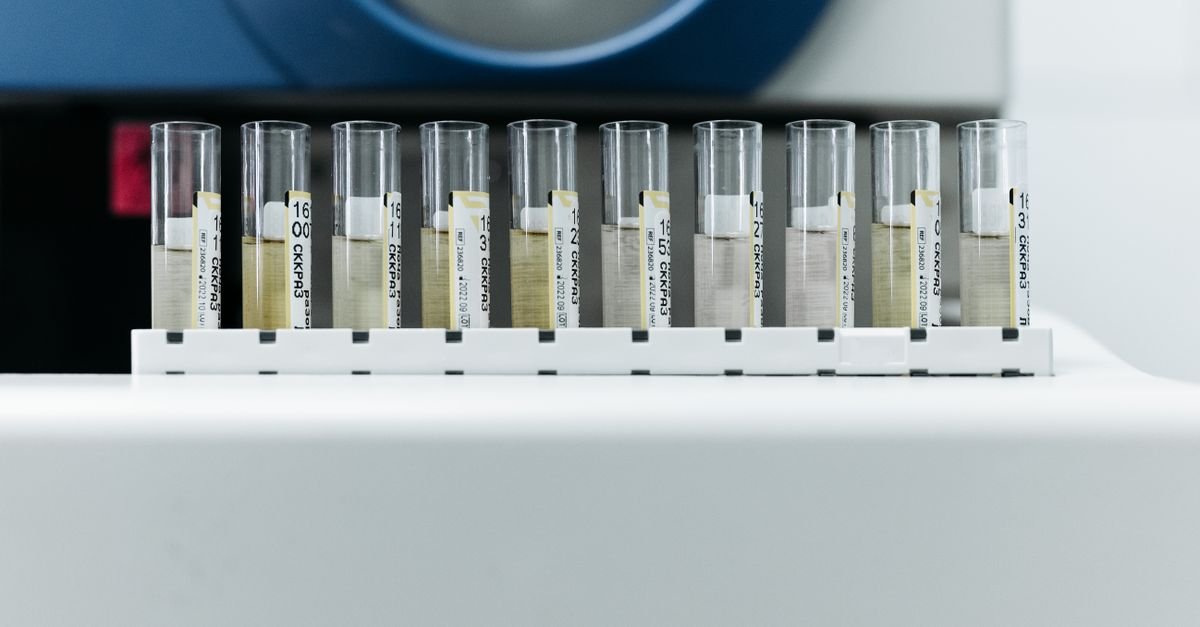
Once formula, packaging, and label are all approved, actual production typically takes two to four weeks depending on order volume, followed by final quality checks. For freight, sea shipping to Europe usually takes three to six weeks, while air freight is a matter of days at a considerably higher cost.
Running certain stages in parallel saves real time
These stages do not have to happen strictly one after another. A founder who locks the final packaging specification while the formula is still in its second round of samples, or who starts stability testing on pilot batch units while the label is still in its last correction round, can cut four to six weeks off the total schedule without skipping a single step. What cannot be compressed is the sequence between formula sign-off and the pilot batch, or between artwork sign-off and the print run, because each step depends on a decision made in the one before it.
- Formulation: two to four weeks to adjust an existing base, six to ten weeks for a fully custom formula.
- Raw materials: one to three weeks for common ingredients, up to a month for a seasonal or rare component.
- Packaging: four to eight weeks for standard packaging, ten to sixteen weeks for custom tooling.
- Label approval: three to five days per correction round, two to three rounds on average.
- Production and QC: two to four weeks depending on volume.
- Freight: three to six weeks by sea, a matter of days by air.
Add these stages together and the realistic timeline for a first batch, from final formula sign-off to goods received, most often runs four to six months, not the few weeks some sales pitches imply. Assil Ouargane manufactures natural Moroccan cosmetics and food products under private label, and builds a realistic timeline with each client from the first conversation, available on request through the website.