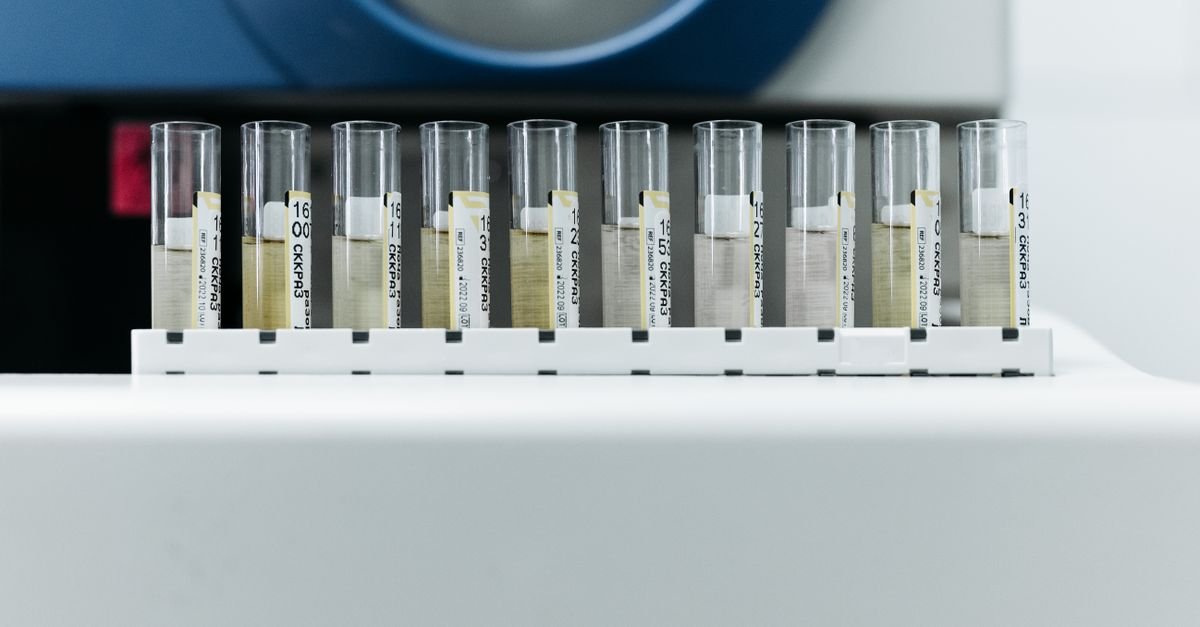
A new client asks to print a twenty-four-month shelf life on a face cream label because a competitor uses the same number. Fair question: where did that number come from? The only real answer is a documented stability study, not a guess borrowed from someone else's product.
What stability testing actually proves
Stability testing answers one specific question: does the formula, inside its final packaging, keep its color, scent, texture, and effectiveness for the entire period printed on the label, even under imperfect storage and transport conditions? It is not only about safety, it is about keeping the promise made to the consumer on day one.
Accelerated stability: a fast forecast, unavoidable at launch
Accelerated testing, in the spirit of ICH-style international guidance, exposes formula samples to elevated temperature, often around forty degrees Celsius with high relative humidity, or to cycles alternating heat, room temperature, and cooling, typically for eight to twelve weeks. These harsh conditions speed up any reaction that might otherwise unfold slowly over months or years, giving an early, credible estimate of the intended shelf life before a full real-time study has had time to complete.
Real-time stability: the final confirmation that cannot be shortcut
Real-time testing is stored under normal storage conditions and continues for the entire period actually being claimed, a year or two, with samples checked at regular intervals. This is what ultimately confirms the accelerated forecast, which is why it needs to keep running in the background even after the product has launched commercially based on the early accelerated results.
What gets checked on every sample
Checks cover appearance, color, and odor, texture and viscosity, pH, packaging integrity and any possible reaction with the formula, plus a preservative efficacy test, which verifies the formula's ability to resist microbial contamination throughout its in-use period, not only at the moment of filling. Any notable drift on any of these points means revisiting the formula, the packaging, or the preservative system before final sign-off.
When this testing starts in the launch timeline
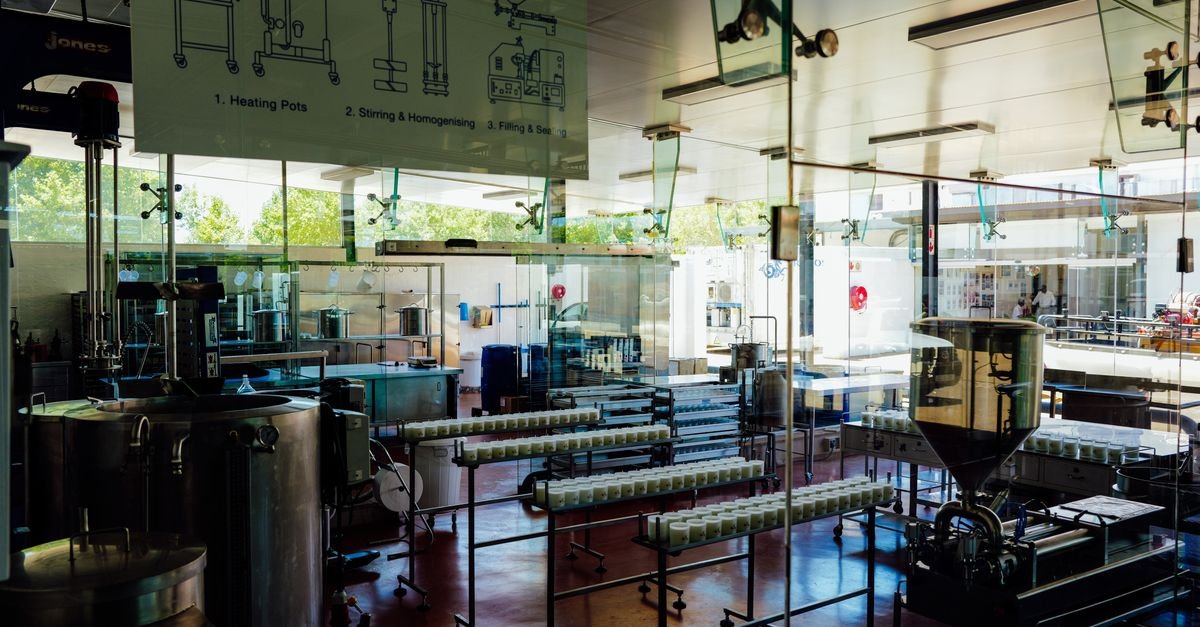
Stability samples are usually pulled from the pilot batch as soon as it is approved, because it represents real production conditions far better than a lab sample does. Accelerated results start coming in gradually over eight to twelve weeks, a window that often overlaps with packaging design and label approval, so it adds no separate delay if it is planned early enough.
Where the product will sell changes what stable has to mean
A single test under generic conditions is not enough when a product is headed for markets with a radically different climate. A formula stored and sold in a temperate climate has different needs than one shipped to a hot, humid market, where the temperature inside a shipping container or on a store shelf can run well past anything a temperate European market ever sees. It matters to tell the manufacturer the product's real final destination from the start, so the stability study is designed around the conditions the product will actually pass through, not around a generic default that may not reflect the target market at all.
- Appearance and texture: stable color, scent, and feel, with no separation, thickening, or thinning.
- pH: staying within a range that is safe and stable for both the skin and the formula itself.
- Microbial efficacy: the preservative's ability to prevent microbial growth throughout the in-use period after opening.
- Packaging compatibility: no reaction, leakage, or change in the container itself.
- Documented report: states the conditions, duration, and results, and forms the basis for the printed shelf life.
Stability testing is not a box-ticking step added to satisfy a regulator, it is the difference between a claim on a label and a fact you can defend to an unhappy customer or an inspection. Assil Ouargane manufactures natural Moroccan cosmetics and food products under private label, and builds stability testing into every project before the final shelf life is set, a step worth asking about when requesting a quote through the website.