The lab sample arrives with a beautiful color and a perfect texture, and the brand founder rushes to order the full production run straight away, saving time and money. That is exactly the decision many people regret a few weeks later, when what worked in a half-liter beaker does not work in a five-hundred-liter production tank.
What a pilot batch actually is
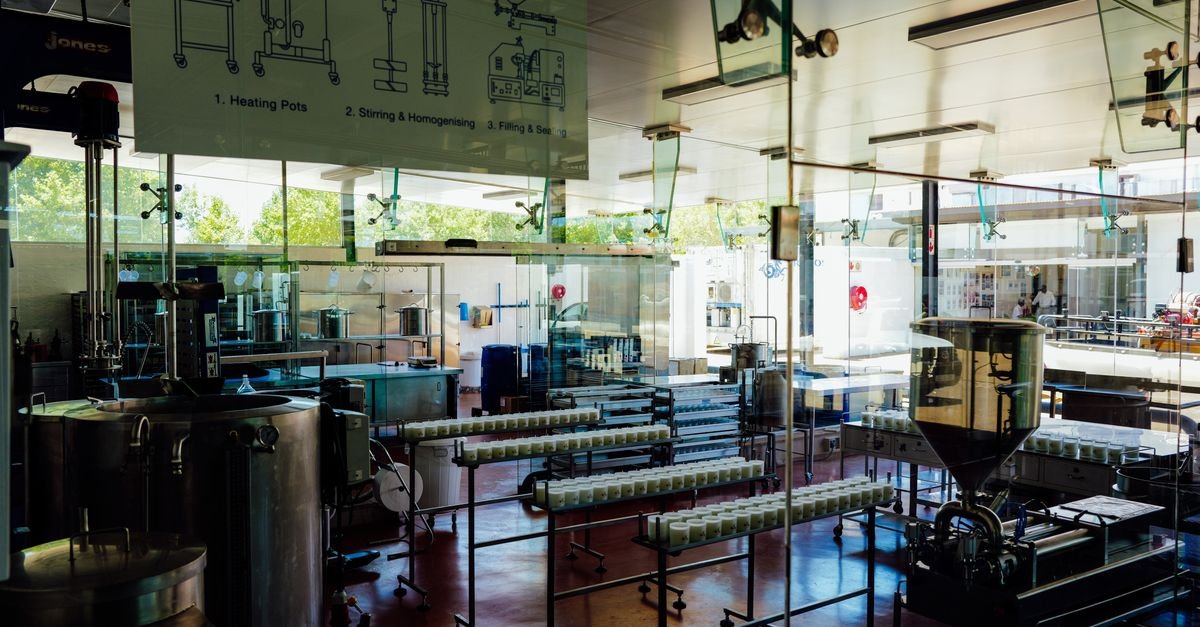
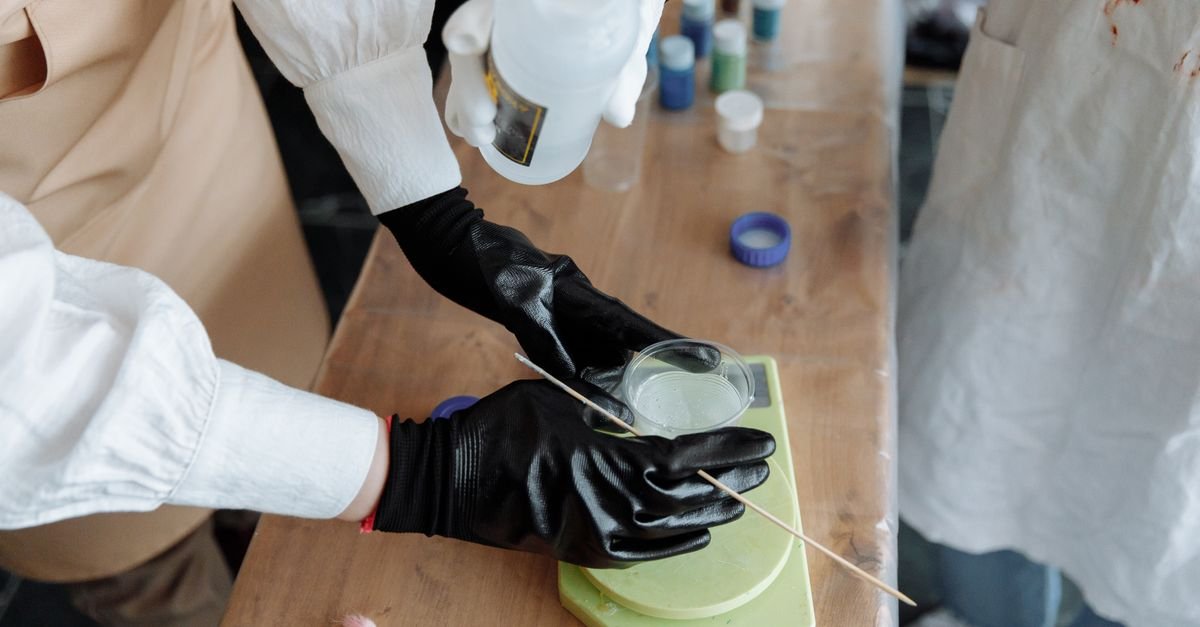
A pilot batch is a limited production run, usually between fifty and two hundred units, made on the real production line or on a scaled-down version of it, not at lab scale. The goal is not a finished product ready for sale, but confirmation that the formula, the packaging, and the industrial process behave the same way once they move from a test tube to a real vessel.
Why skipping it looks tempting
A pilot batch usually adds two to four weeks to the timeline, and it is not free, which pushes some brands, especially those working on a tight budget or a compressed schedule, to skip it and go straight to full production based on a single lab sample everyone was happy with.
What a pilot batch reveals that a lab sample cannot
In a lab beaker, heating, cooling, and mixing happen at a speed and evenness that are hard to replicate in a tank holding thousands of liters. Heat transfers differently through thicker metal walls, cooling takes longer, and the shear force of mechanical mixing differs from manual stirring. As a result, an emulsion that was stable in the lab can separate, a gel's texture can change, or excess foam can appear during automated filling that was never present when filling by hand.
Whether the packaging actually suits the real formula
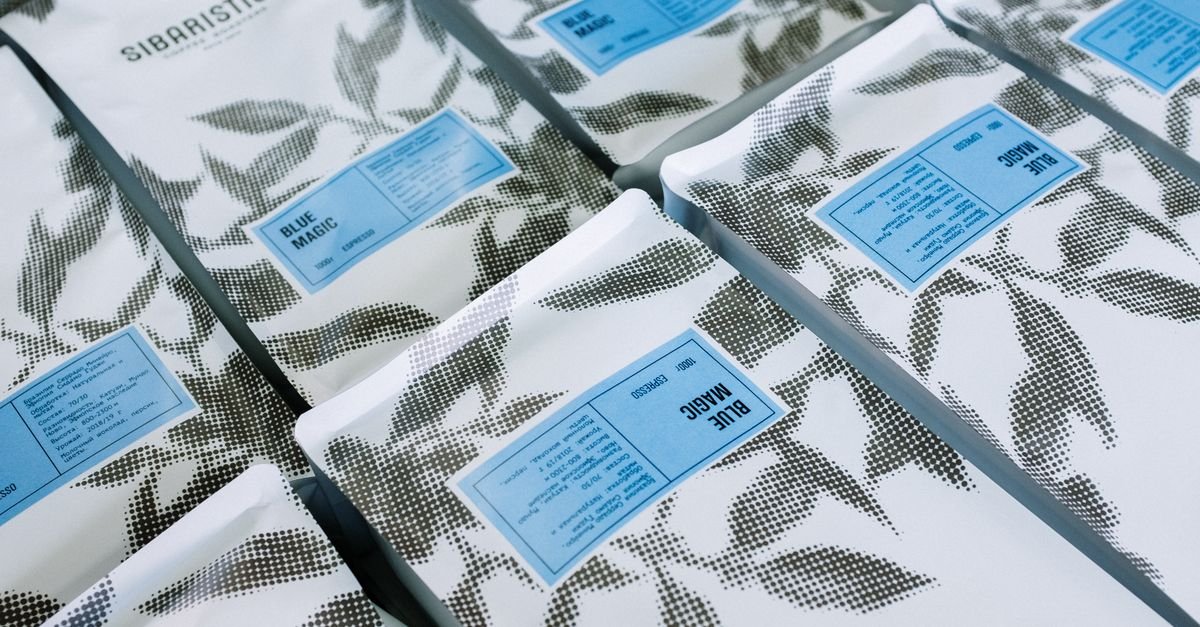
A pilot batch is also the first genuine test of how the formula behaves inside its final packaging over the short term: does it react with the bottle or cap material? Does it flow cleanly through a pump nozzle? Does any change in color or scent show up just days after filling? These are questions a sample in a small glass jar never answers.
How pilot batch results actually get used
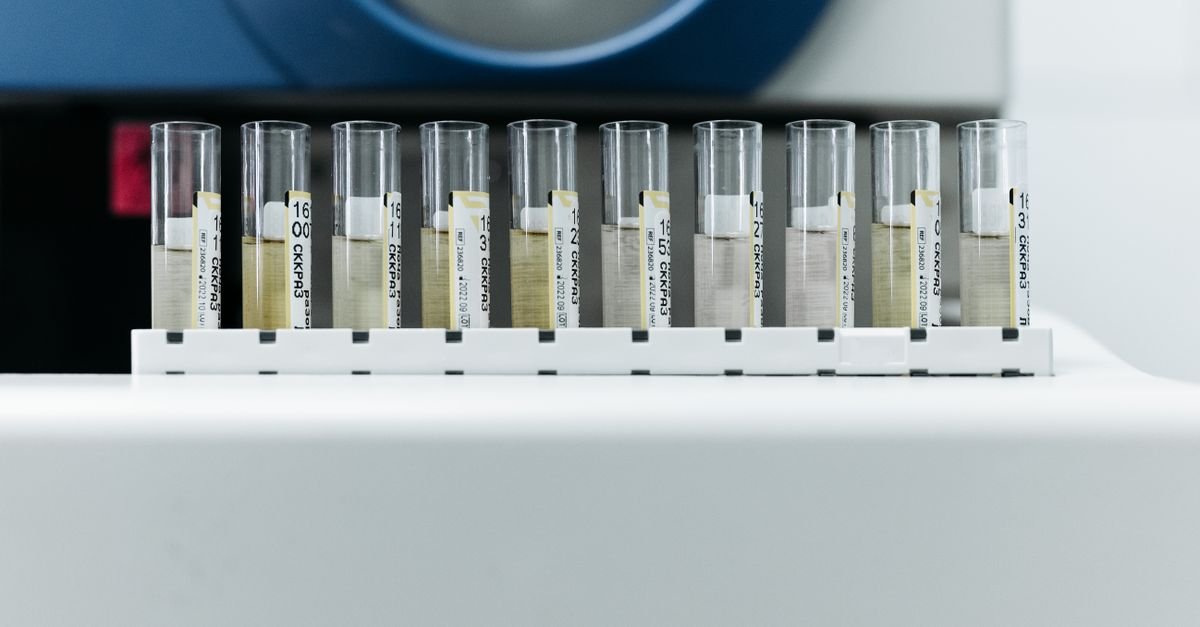
Units from a pilot batch are typically used to start accelerated stability testing, to be distributed to a small group of testers for real feedback, and to secure a documented final sign-off before moving to the full production batch. Any adjustment that turns out to be necessary at this stage costs far less than a fix discovered after thousands of units have already been made.
One pilot batch is usually enough, but not always
Most launches need exactly one pilot batch before moving to full production. When results come back clean, that batch's data becomes the reference point for every future production run of the same formula. When a pilot reveals a real problem, an emulsion that separates after two weeks, or a fragrance that fades faster than expected, the honest response is a second, smaller pilot after the fix, not a straight leap to full volume on a correction that has never actually been tested. The cost of a pilot batch is typically a small fraction of the total launch budget, and it scales with how customized the formula and packaging are: a standard formula in stock packaging costs far less to pilot than a fully bespoke cream in a custom jar.
- Volume: usually fifty to two hundred units, versus thousands for a production batch.
- Purpose: confirm formula and packaging behavior at industrial scale, not generate sales stock.
- Equipment: the real production line or a scaled-down version, not lab tools.
- Output: samples for stability testing, and a documented sign-off before authorizing full production.
- Real cost of skipping it: remaking an entire batch or writing off defective stock.
A pilot batch is not extra red tape, it is the only insurance between a sample that impressed everyone in a meeting and thousands of sellable units carrying a problem nobody caught in time. Assil Ouargane manufactures natural Moroccan cosmetics and food products under private label, and builds a documented pilot batch into every project before full production, a step worth discussing when requesting a quote through the website.